When it comes to laboratory fume hoods, the choice of construction material can significantly impact both safety and operational efficiency. Each material offers unique advantages and limitations that must be carefully considered based on your laboratory's specific applications.
Stainless steel fume hoods represent the gold standard in many laboratories due to their exceptional durability and versatility. The most commonly used grade is 316L stainless steel, which offers superior resistance to a wide range of chemicals, including many acids and organic solvents. These fume hoods excel in high-temperature applications and can withstand thermal stress without warping or degrading. The smooth, non-porous surface of stainless steel makes cleaning and decontamination straightforward, reducing the risk of cross-contamination between experiments.
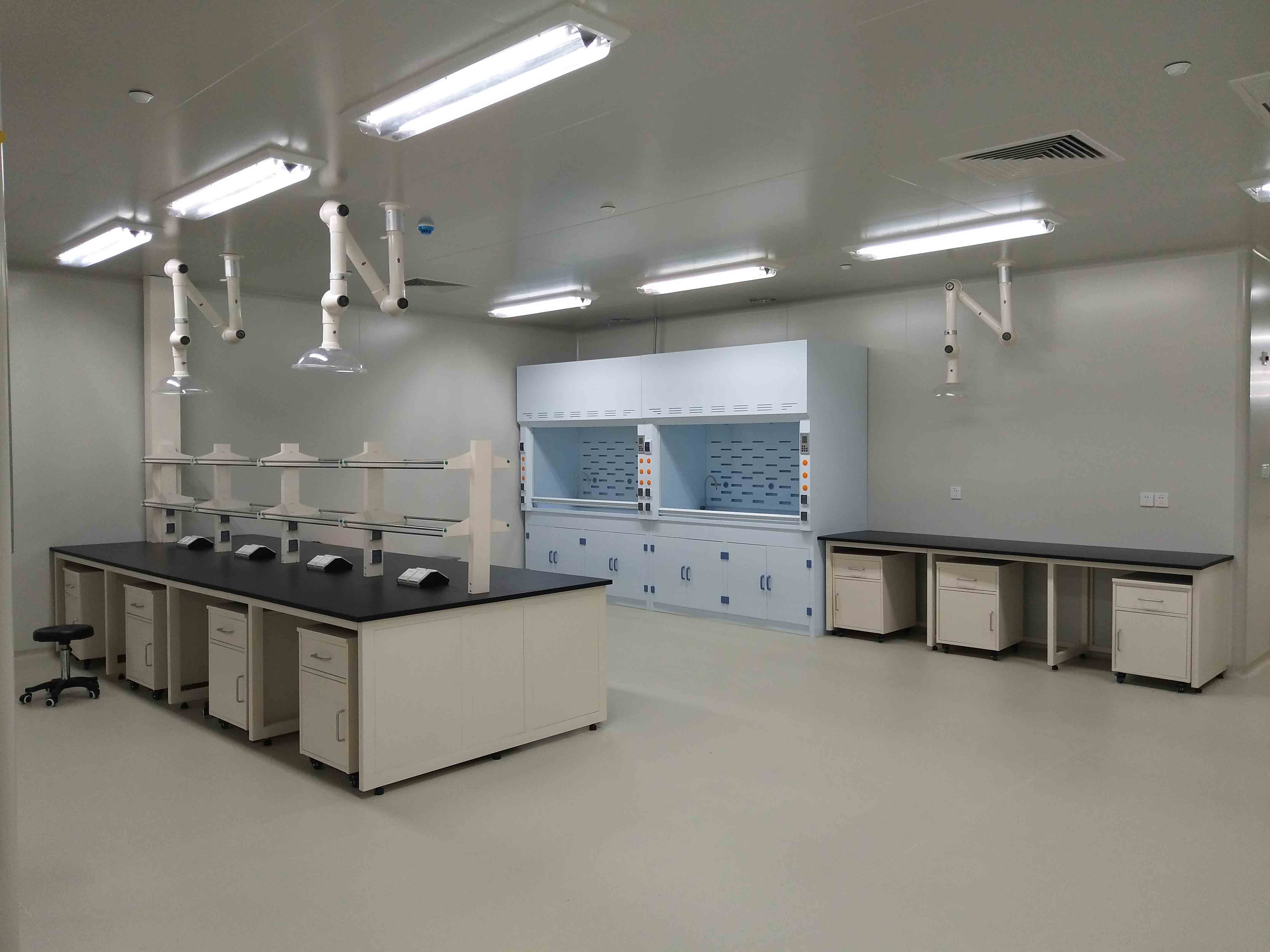
However, stainless steel fume hoods do have limitations. They are vulnerable to certain chemicals, particularly hydrochloric acid and other chloride-containing substances, which can cause pitting corrosion. Additionally, stainless steel fume hoods typically come with a higher initial investment cost compared to other materials, though their longevity often justifies this expense over time.
PVC fume hoods have gained popularity in laboratories that regularly work with corrosive chemicals. Polyvinyl chloride offers excellent resistance to acids, bases, and many organic solvents that would quickly deteriorate metal surfaces. These fume hoods are particularly well-suited for applications involving hydrofluoric acid, concentrated sulfuric acid, and other highly corrosive substances. The lightweight nature of PVC also makes installation easier and reduces structural load requirements.
The primary considerations with PVC fume hoods include temperature limitations and mechanical strength. PVC begins to soften at temperatures around 60-80°C, making it unsuitable for high-temperature applications. The material can also be damaged by certain organic solvents like acetone and benzene, which can cause swelling or dissolution. Despite these limitations, PVC fume hoods offer an excellent cost-to-performance ratio for many chemical applications.
Glass fume hoods, typically constructed with tempered safety glass panels supported by a framework of stainless steel or powder-coated steel, provide unique advantages in terms of visibility and chemical resistance. The transparent walls allow for maximum observation of experiments while maintaining safety. Glass is highly resistant to most chemicals and does not absorb odors or stains, making it ideal for applications requiring visual monitoring or photographic documentation.
Modern glass fume hoods use laminated safety glass that, even if broken, remains in place rather than shattering into dangerous fragments. However, glass fume hoods require careful handling during installation and operation to prevent impact damage. They may also be more expensive than basic steel models due to the specialized glass and precision engineering required.
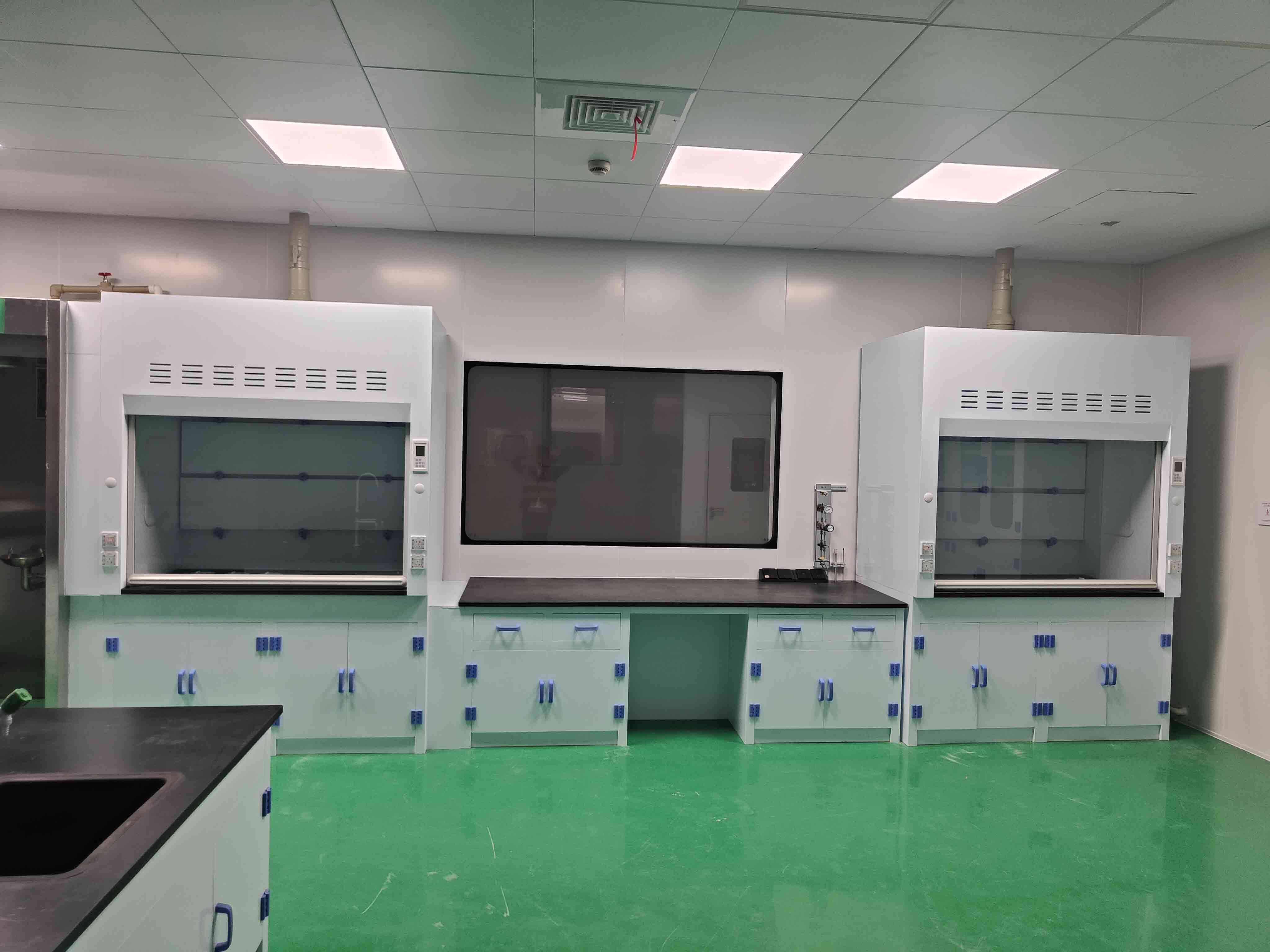
When selecting a fume hood material, consider the following factors: the types of chemicals you'll be using, temperature requirements, budget constraints, and specific safety regulations in your industry. Many modern laboratories opt for hybrid designs that combine materials - for example, a stainless steel structure with PVC liner for maximum chemical resistance, or a steel frame with glass viewing panels for enhanced visibility.
Regular maintenance is crucial regardless of the material chosen. Stainless steel fume hoods should be inspected for signs of corrosion, PVC units should be checked for chemical damage or softening, and glass components should be examined for chips or cracks. Proper maintenance extends the life of your fume hood and ensures continued safe operation.
The future of laboratory fume hood materials includes advanced composites and smart materials that can indicate chemical exposure or damage. As laboratories continue to evolve, so too will the materials and technologies used in fume hood construction, always with the goal of improving safety and functionality for researchers worldwide.

 Ventilation cabinet
 Medicine cabinet
 Cupboard
 Dressing cabinet and shoe cabinet
 Gas cylinder cabinet
 Test bench
 Console
 Tian Platform
 Steel frame platform
 Laboratory Ventilation System
 Laboratory Gas Circuit
 Activated Carbon Box
 Stainless Steel Stool
 Laboratory Stool
 Stainless Steel Water Tank


